
By: Selina Pedi-Smith, Pellere Foundation
The funny thing about cleaning a house is that the more you clean, the dirtier everything seems. You finally get around to dusting the ceiling fans, and then you notice how grubby the windows look. You clean the windows and suddenly the baseboards seem questionable. That sort of thing.
Maybe it’s just me.
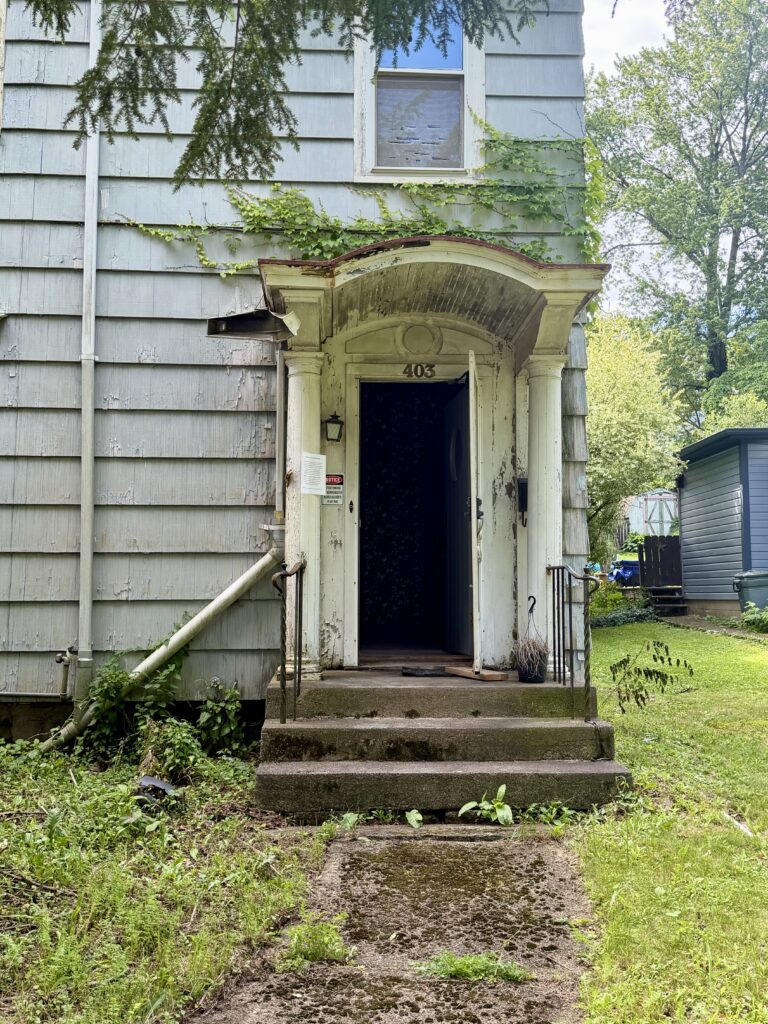
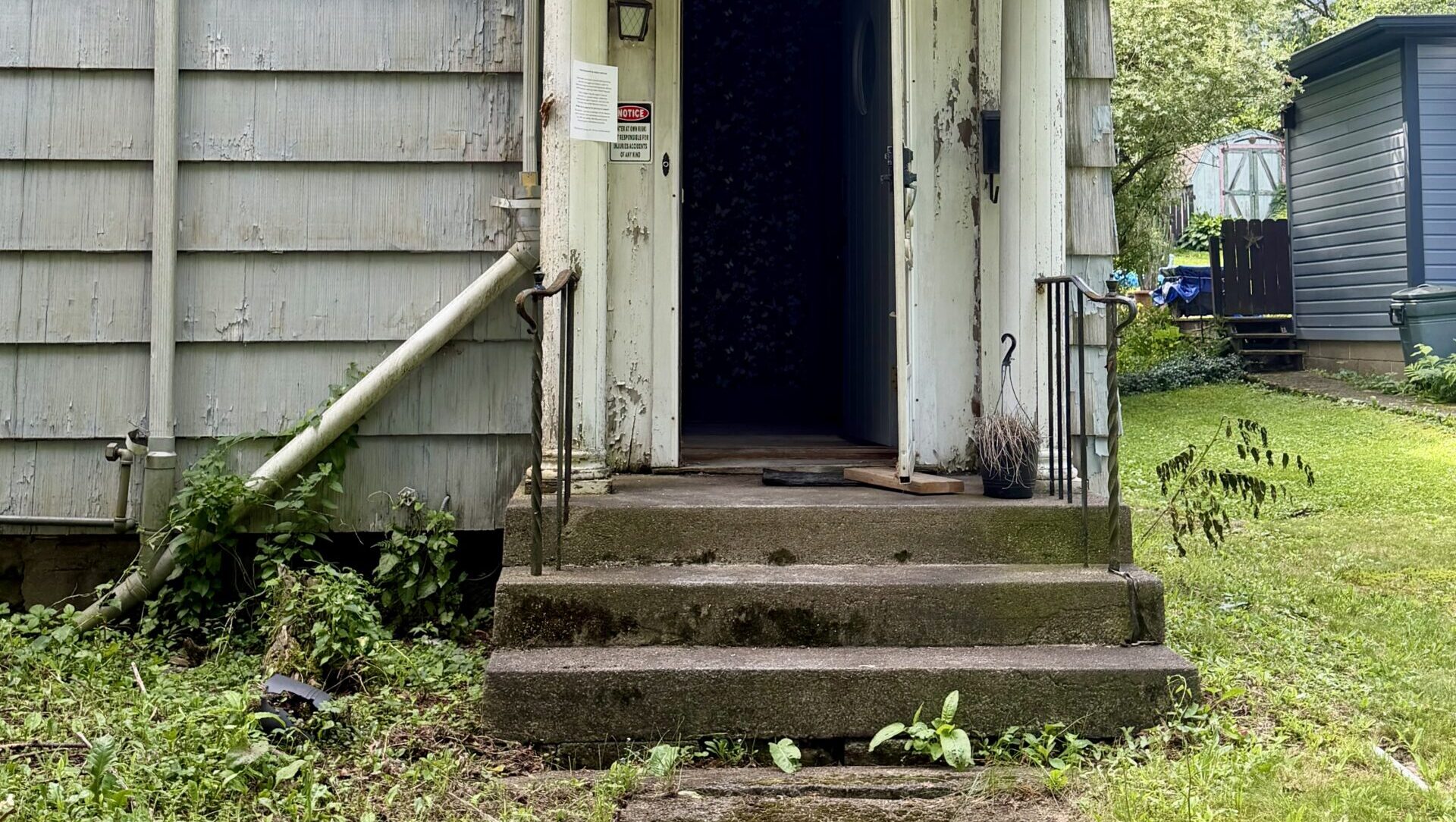
I’m particularly focused on cleaning right now because I’ve been a) trying to exorcise all the mud from my house and b) trying to get our remediation project house ready for its close-up this weekend. And no matter whether it’s a vibrant, full-of-life home or one that’s been vacant for a while, the process is the same: clear out the clutter, clean the big stuff, notice smaller stuff to clear and clean, rinse and repeat.
All that stuff, though, is evidence of life. Just like the one section of everyone’s kitchen counter that refuses to stay uncluttered for more than two seconds, our stuff tells a story – one that is immediately noticeable to us, of course, but maybe not so much to a visitor. When we’re cleaning up a vacant house, we’re the visitor. We’re there to help bring life back, and to do that, we try to understand the story. Once you’re inside a home like this – one that looks abandoned and dreary from the outside – you notice that it often feels more like…a conversation that got interrupted.
It can be easy, of course, to assume that someone simply didn’t take care of a space. But that’s often not the case. Piles of old bank records and overdue bills can show the story of someone who lost their job and struggled to find new work. Dusty pieces of mobility assistance equipment can show the story of someone who got injured and never recovered. Photos hanging crooked on a wall show that someone did, once, live in a space. Even when people start out financially stable and perfectly capable of maintaining a home, life has a way of changing the equation. And the older the home, the more vulnerable it becomes – more intensive maintenance, more specialized repairs, and often a lot more money than people expect.
At the neighborhood level, it’s a downward spiral. The more blight exists, the less people want to invest in an area, and the more properties fall into disrepair. It’s the cleaning process, but in reverse. You stop noticing things, and then they multiply.
Which is exactly why we decided to take on our Oil City remediation project. It’s too big to be an “easy” fixer-upper and not quite grand enough to attract a deep-pocketed restoration buff. But it’s the most visibly blighted property on the street. Fixing it up makes a visual impact, certainly. More importantly, it helps interrupt that downward spiral before it spreads. It’s not everything, but it’s something. It’s part of the story.
Now, the one question I really have is this: How did the child-sized footprints get on the kitchen ceiling?
👉 Want to help us rethink what redevelopment can look like—together? Follow the conversation and share your thoughts with us on Facebook and LinkedIn, or reach out directly to rachel@riverrootsredevelopment.org. We’d love to hear from you!
🔗 Looking for more ways to connect? Our Linktree has all the good stuff in one place: blog updates, community polls, upcoming events, and more.
🎙️ Prefer to listen in? We’re continuing these conversations out loud on the Pellere Foundation YouTube channel.
📝 Curious about how we’re building change from the ground up? Explore more stories, insights, and updates on our blog: riverrootsredevelopment.org/blog.

